Bingo's Grid Geometry Meets Venue Verification Chains in America's Patchwork Licensing Landscape
Casey Hughes · Sep 14, 2026
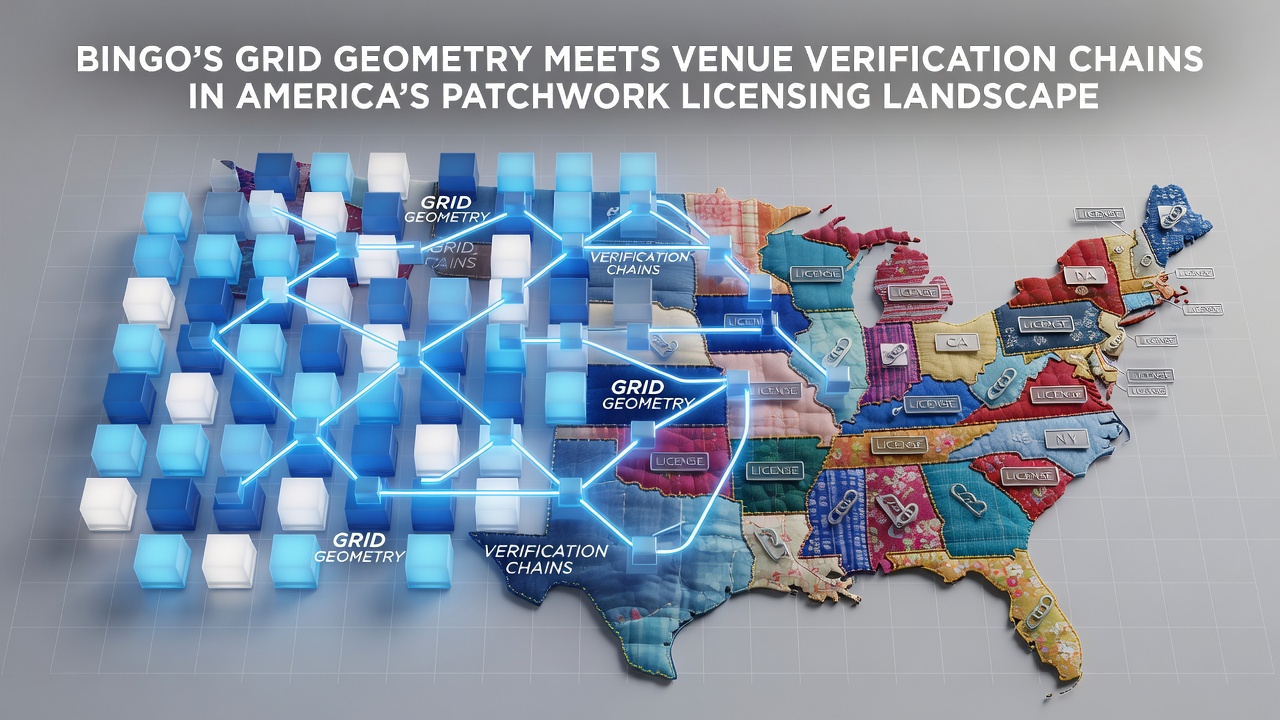
Bingo's Grid Geometry Meets Venue Verification Chains in America's Patchwork Licensing Landscape
Observers note that the standard 5x5 bingo grid organizes numbers into five columns labeled B, I, N, G, and O, where B covers 1 through 15, I spans 16 through 30, N runs 31 through 45, G takes 46 through 60, and O finishes with 61 through 75, while the center square remains free in most formats. This fixed geometry creates consistent patterns that venues must verify through sequential checks before any prize disbursement occurs. Across the United States, licensing rules differ sharply from one state to the next, so verification chains adapt to meet local requirements while preserving the grid's structural integrity.
Grid Structure and Its Role in Verification
Researchers have documented how the column-based number ranges limit possible combinations on each card, which in turn shapes the steps venues follow during win confirmation. A player who claims a line or full card must present the physical or digital card for inspection, and staff then cross-reference marked numbers against the called sequence using the grid's built-in constraints. Data from multiple jurisdictions shows that this process reduces errors because any number outside its assigned column immediately flags an invalid mark. In September 2026 several states plan to update their electronic verification software to better align with these geometric rules, according to reports from state gaming oversight offices.
Those who study regulatory frameworks point out that the free space in the center influences pattern rules differently depending on the license type. Some states require the free space to count toward certain patterns, while others treat it as neutral, and this distinction forces venues to maintain separate verification protocols for each licensing category.
Venue Verification Chains Across State Lines
Verification chains typically move through four or five stages that include caller log review, card inspection, pattern confirmation, and final payout authorization. Licensing boards in each state set the exact sequence and documentation standards, which means a chain that works in one venue may violate rules in a neighboring state. Industry reports indicate that electronic systems now log each step with timestamps, creating an auditable trail that regulators examine during routine compliance audits.
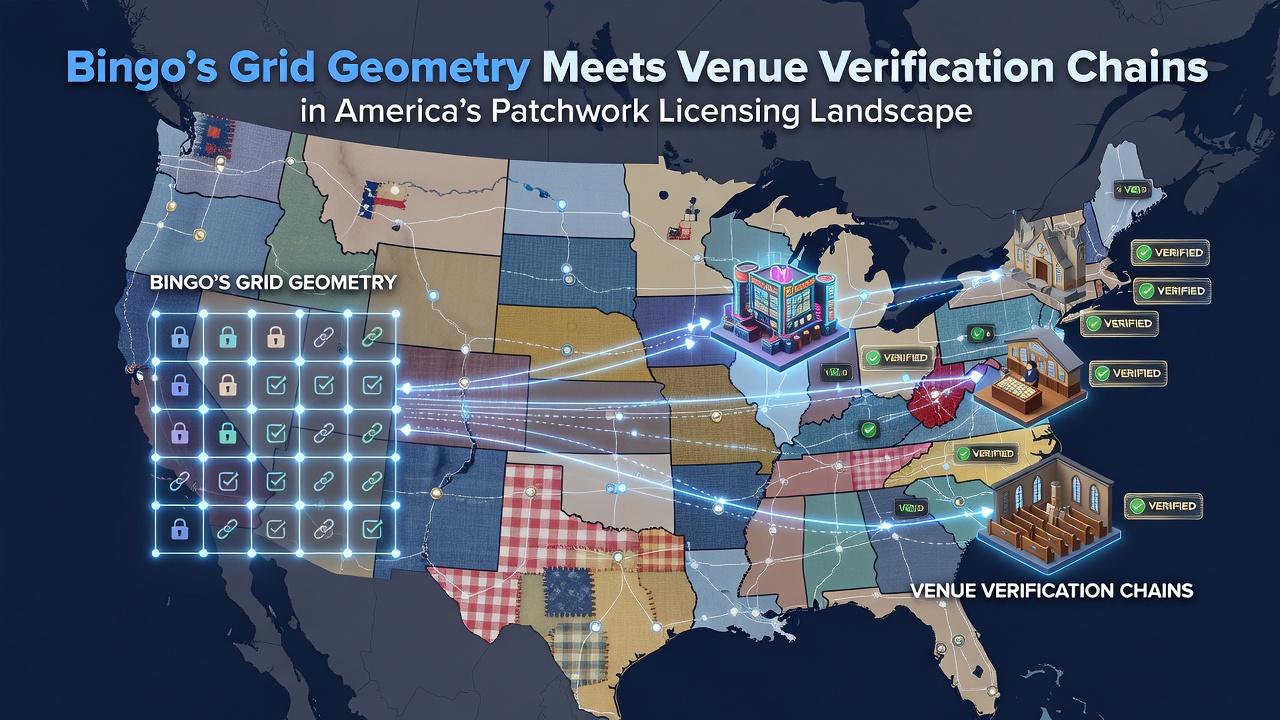
One study revealed that states with centralized licensing tend to require digital scanning of cards at the point of claim, whereas states with county-level oversight often permit manual checks supplemented by paper logs. The geometric layout of the grid remains constant, yet the verification tools and record-keeping practices shift to satisfy whichever authority issued the operating license.
Impact of Fragmented Licensing on Daily Operations
Figures from trade associations show that more than forty states permit some form of bingo, yet each maintains its own definition of acceptable equipment, record retention periods, and prize limits. Venues operating near state borders must train staff on multiple verification chains because a single game session may involve players from different regulatory zones. This situation leads organizations to develop internal checklists that reference both the grid geometry and the specific licensing conditions of their jurisdiction.
Academic papers on gaming regulation note that the interaction between fixed grid mathematics and variable legal requirements creates predictable bottlenecks at the verification stage. Staff must pause play while they confirm that marked numbers fall within the correct columns and that the claimed pattern matches the state's approved list, all while following the chain of custody rules for prize funds.
Technology Integration and Future Adjustments
Electronic bingo systems now embed the column ranges directly into their algorithms so that invalid marks trigger automatic alerts before a claim reaches human review. Licensing updates scheduled for late 2026 in several western states will require these systems to interface with centralized databases that track prize disbursements in real time. Observers note that such integration preserves the integrity of the original 5x5 structure while satisfying the documentation demands of each patchwork license.
According to data compiled by the American Gaming Association, venues that adopted unified verification software reported fewer discrepancies during audits, even when operating under multiple state rules. The grid's inherent logic continues to serve as the foundation that allows these technological adaptations to function across diverse regulatory environments.
Conclusion
The geometry of the bingo grid supplies a stable framework that verification chains rely upon, yet America's state-by-state licensing system requires those chains to flex and adapt at every turn. As electronic tools evolve and new compliance deadlines arrive in September 2026, venues will continue to align the fixed number ranges and pattern rules with the documentation standards of each jurisdiction they serve. This ongoing alignment ensures that the core structure of the game remains consistent while meeting the varied legal obligations that define regulated play nationwide.