Bingo's Serial Number Chains: Tracking Card Origins Through Distribution Logs and Compliance Audits
Greta Walter · Oct 12, 2026
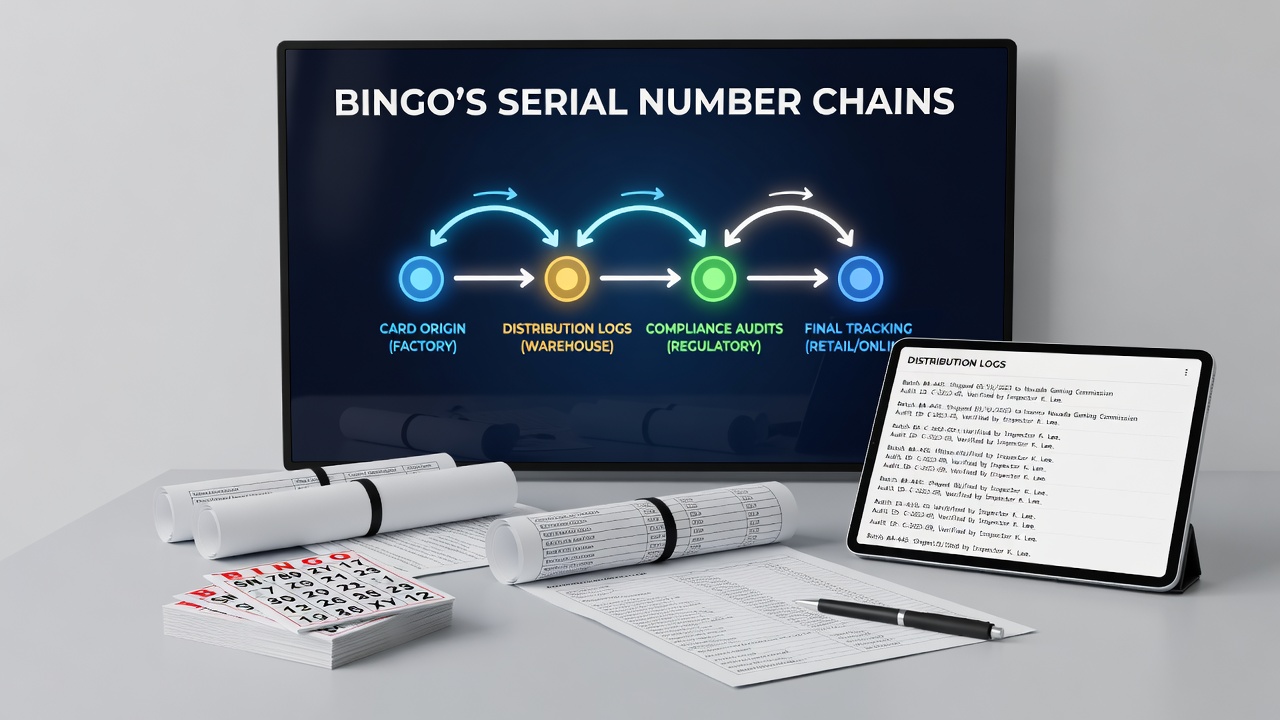
Bingo's Serial Number Chains: Tracking Card Origins Through Distribution Logs and Compliance Audits
Serial numbers on bingo cards form detailed chains that link each card back to its printing source, distributor, and final venue through mandatory logs and periodic audits. These identifiers appear on every card pack, and they enable regulators to verify that only approved materials reach licensed halls while maintaining records for prize verification and inventory control.
Distribution Logs as the Foundation
Manufacturers assign unique serial sequences during production, and these numbers travel with the cards through each transfer point in the supply chain. Distributors record receipt dates, quantities, and destination venues in standardized formats that state agencies require for review, and venues log incoming shipments against those same numbers before placing cards into play. Such records create unbroken trails that auditors examine during routine compliance checks.
Multiple jurisdictions mandate electronic submission of these logs on a monthly basis, which allows cross-referencing between printers and operators to detect discrepancies quickly. When a card appears in an audit sample, officials trace its serial number backward through the distribution entries to confirm it originated from a licensed supplier and followed approved routes.
Compliance Audits in Practice
Audits occur at scheduled intervals and on random surprise visits, with examiners pulling sample packs from active inventory and matching serial numbers against submitted distribution records. In October 2026 several state oversight bodies expanded their audit protocols to include digital scanning of serial codes directly from card stock, which speeds verification and reduces manual entry errors during on-site reviews.
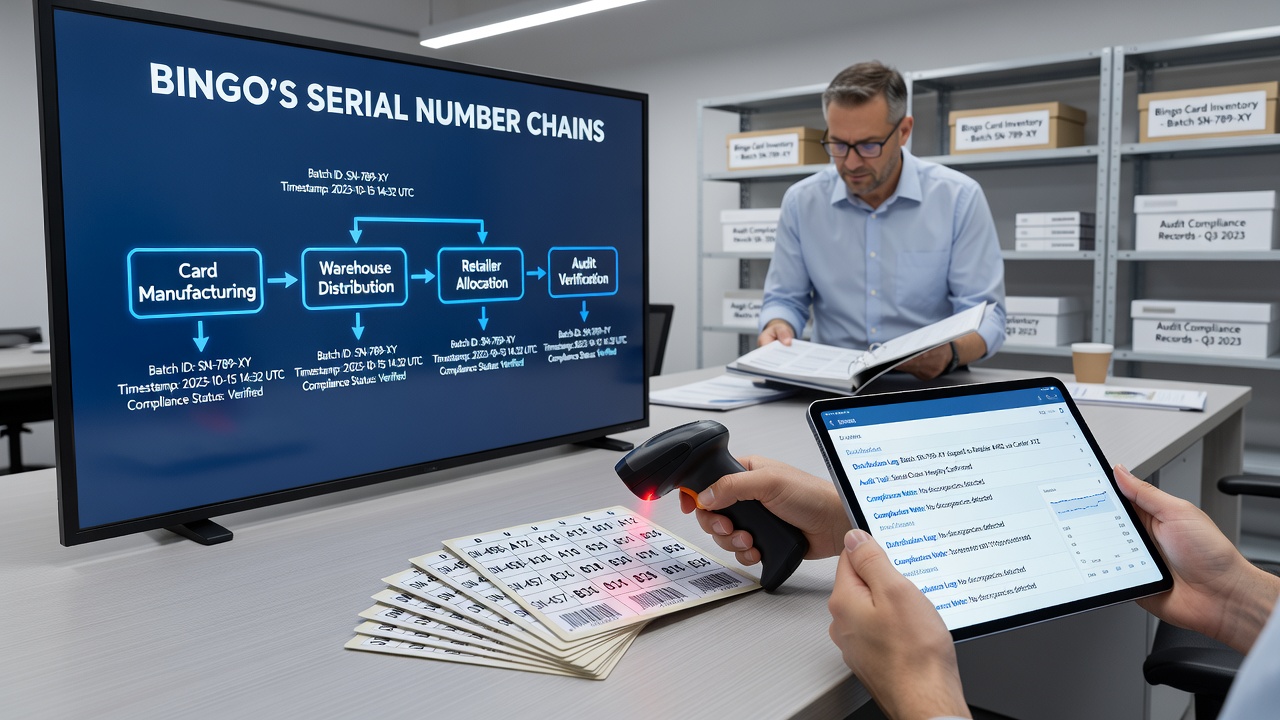
One study revealed that discrepancies in serial tracking often stem from simple transcription mistakes rather than intentional violations, and auditors work with operators to correct those issues before they escalate into formal findings. Venues maintain internal ledgers that mirror the official logs, so staff can respond immediately when an auditor requests a specific card's history.
Regional Variations in Tracking Requirements
Different regions impose distinct retention periods and reporting formats for serial number data, yet all emphasize the same core principle of origin traceability. Canadian provincial regulators, for example, require five-year retention of distribution records, whereas certain Australian state authorities focus on real-time digital uploads that integrate directly with central gaming databases. Industry reports from the World Lottery Association highlight how these varied systems still achieve comparable levels of accountability through consistent serial formatting standards.
Observers note that serial chains also support prize disbursement verification, because winning cards must match the exact serial ranges authorized for that session. When disputes arise over a claimed win, regulators consult the distribution logs to confirm the card was in play at the reported time and location.
Integration with Broader Regulatory Frameworks
Serial number tracking intersects with equipment calibration rules and pattern authorization processes, because every approved card set carries identifiers that tie it to specific game configurations. Data from multi-state compliance reviews shows that consistent serial logging reduces instances of unauthorized card substitutions during high-volume events. Those who've studied this process find that the combination of paper logs and electronic backups provides redundancy that protects both operators and players during investigations.
What's interesting is how these chains extend beyond physical cards into digital bingo platforms, where virtual serial equivalents perform teh same tracing functions under updated licensing conditions. Research indicates that unified serial standards across jurisdictions simplify oversight for operators who manage venues in multiple regions.
Conclusion
Serial number chains continue to serve as the primary mechanism for confirming card origins and maintaining distribution integrity across bingo operations. Through detailed logs and systematic audits, regulators preserve accountability while operators meet compliance obligations in an evolving oversight landscape.