How Serial Numbers on Bingo Supplies Link to Cross-State Verification Chains in Licensed Operations
Olivia Zimmermann · Nov 9, 2026
How Serial Numbers on Bingo Supplies Link to Cross-State Verification Chains in Licensed Operations
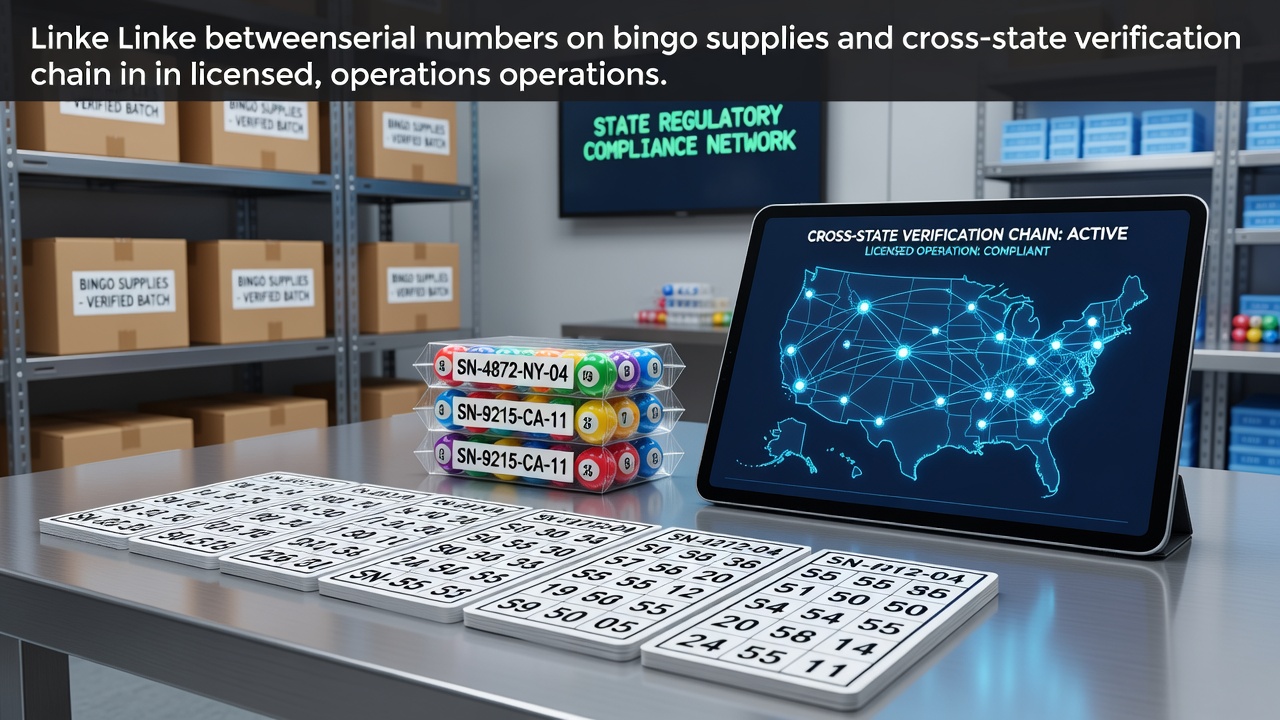
Serial numbers on bingo supplies create traceable pathways that connect individual game components to broader regulatory networks spanning multiple states, and these identifiers operate as foundational elements in verification systems designed to maintain integrity across licensed operations. Manufacturers imprint unique codes on cards, daubers, and random number generators before distribution, while state agencies require these markings to align with centralized databases that flag discrepancies during audits or prize claims.
Core Mechanics of Serial Number Assignment
Each bingo card receives a distinct alphanumeric sequence at production, and this sequence incorporates manufacturer details alongside batch information that regulators later cross-reference with shipment records. Licensed operators must log these numbers upon receipt, which allows verification teams to confirm that supplies originated from approved sources rather than unauthorized printers, and the process extends to balls and electronic devices where embedded chips carry matching identifiers that update in real time during play sessions.
Observers note that these systems evolved from basic inventory controls into interconnected chains because states recognized patterns of counterfeit materials moving across borders, and data from the National Indian Gaming Commission indicates that standardized serial protocols reduced discrepancies in multi-jurisdictional audits by measurable margins in recent years. When a card enters play in one venue, its number links through software interfaces to records in neighboring states, which creates a verification loop that activates whenever a player submits a winning claim or when routine compliance checks occur.
Cross-State Data Exchange Protocols
Verification chains rely on secure data-sharing agreements between regulatory bodies, and these agreements specify how serial number queries travel from a local hall to a central repository shared by participating states. A winning sequence triggers an automatic lookup that confirms the card's legitimacy against production logs, while discrepancies prompt immediate holds on payouts until investigators resolve the issue through direct contact with the originating manufacturer.
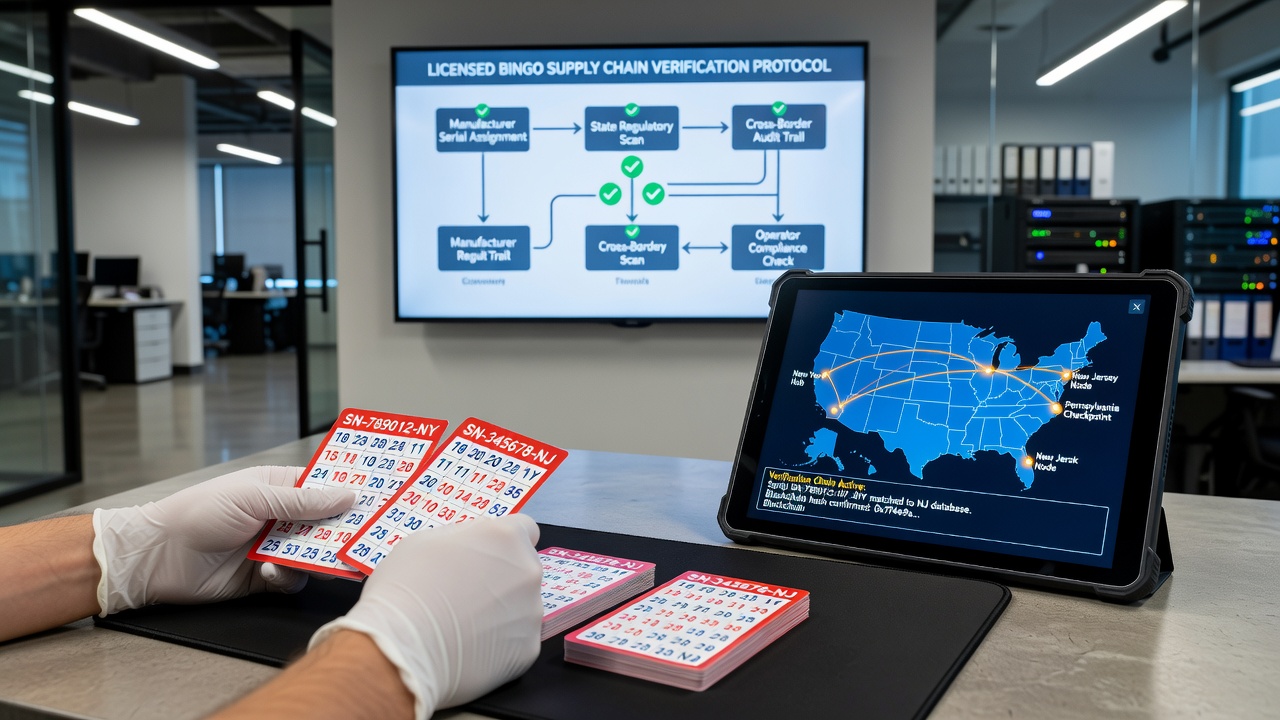
What's interesting is how these protocols handle seasonal peaks, such as the compliance updates scheduled for November 2026 that will expand data fields to include electronic tracking of used cards across additional jurisdictions. The Alcohol and Gaming Commission of Ontario provides parallel models that American states have adapted for their own frameworks, which shows how international practices influence domestic verification methods without requiring full harmonization of rules.
Role in Preventing Fraud and Ensuring Compliance
Serial numbers serve as the first line of defense against altered or duplicated supplies, and licensed operations integrate scanners at entry points to validate each item before distribution to players. When a chain detects a mismatch, such as a number appearing in two separate states simultaneously, automated alerts notify all connected agencies, which then coordinate to trace the supply route and identify the point of diversion. Researchers have documented cases where these linkages exposed networks attempting to move counterfeit cards across state lines, and the resulting enforcement actions strengthened requirements for real-time reporting from operators.
Those who manage large-scale bingo facilities often maintain internal databases that mirror state systems, and this duplication allows quick internal audits that align with external reviews conducted quarterly or during surprise inspections. The process becomes particularly relevant when prize pools exceed certain thresholds, because higher-value wins activate deeper verification layers that pull serial data from multiple databases before disbursement proceeds.
Integration with Electronic and Traditional Supplies
Modern bingo operations blend paper cards with electronic tablets, yet serial numbering remains consistent across both formats because regulators mandate uniform tracking regardless of medium. Electronic devices generate session-specific codes that tie back to physical inventory records, and this linkage ensures that virtual plays correspond to authorized stock levels reported to state authorities. Traditional paper supplies continue to dominate in many regions, but their serial sequences feed into the same verification chains, which creates a unified system that treats every game component as part of a larger compliance network.
States continue to refine these connections through joint task forces that meet regularly to address emerging challenges, such as adapting protocols for mobile bingo applications that may operate across boundaries under specific licensing conditions. The framework emphasizes proactive monitoring rather than reactive investigations, and figures from industry reports reveal that early detection through serial verification has lowered the incidence of disputed claims in participating jurisdictions.
Conclusion
Serial numbers on bingo supplies function as critical nodes within cross-state verification chains that support licensed operations by enabling precise tracking, fraud detection, and regulatory alignment. These systems draw on manufacturer standards, state databases, and inter-agency agreements to maintain consistent oversight, and upcoming expansions in November 2026 will further strengthen the connections. The result is a structured approach that ties individual game elements to broader accountability measures across multiple jurisdictions.